The Global History of Oxtail Stew: From Peasant Dish to Delicacy
Few dishes boast a culinary journey as rich and compelling as
oxtail stew. What began as a resourceful meal, born of necessity and humble ingredients, has transformed into a globally cherished delicacy. This hearty, slow-cooked marvel, celebrated for its melt-in-your-mouth tenderness and deeply flavorful, gelatinous gravy, tells a story of human ingenuity, cultural exchange, and the timeless appeal of comfort food. From medieval European kitchens to Caribbean family tables and sophisticated urban bistros, the saga of oxtail stew is a testament to how the least prized cuts can yield the most extraordinary gastronomic experiences.
The Humble Origins of Oxtail Stew: A Story of Resourcefulness
At its heart,
oxtail stew is a triumph of nose-to-tail eating – a practice that champions using every part of an animal to minimize waste and maximize flavor. The star ingredient, oxtail, refers to the bony caudal vertebrae and surrounding meat from the tail of cattle. Historically, this cut was considered a byproduct, often discarded or undervalued due to its perceived toughness, low meat yield compared to premium cuts, and labor-intensive preparation. Consequently, it became an economical option, primarily accessible to lower socioeconomic groups, laborers, and enslaved peoples.
The culinary journey of oxtail can be traced back to European peasant cooking, with origins possibly as early as the Middle Ages. English texts from the late 15th century offer some of the earliest documented references to oxtail, with specific stew recipes appearing in records from 1482 and 1500. These early dishes likely employed rudimentary braising techniques, a method further refined by Huguenot immigrants who settled in England and Ireland in the late 17th century. Fleeing religious persecution, these French immigrants introduced sophisticated ragout techniques that transformed undervalued offcuts like oxtail into rich, hearty soups and stews, laying the groundwork for many of the slow-cooked preparations we recognize today. This era highlights how perceived scarcity and the need for sustenance often spark the greatest culinary innovations, turning what was once considered scrap into a nourishing, flavorful meal.
A Culinary Journey Across Continents: Oxtail Stew's Global Embrace
The humble
oxtail stew did not stay confined to European borders. As populations migrated and global trade expanded, so too did the dish's reach and variations, each reflecting the unique history and ingredients of its adopted home.
African American Soul Food and the Caribbean
In the United States, particularly within African American soul food traditions, oxtail stew holds a profound significance. Its origins trace back to the era of slavery, when enslaved Africans ingeniously transformed offal and lesser cuts of meat, including oxtail, into nourishing and deeply flavorful meals. Typically braised with a rich brown gravy and often served over rice, this tradition gained significant prominence in Southern U.S. cuisine by the mid-20th century. It’s a powerful example of culinary resilience, turning hardship into a legacy of comfort and sustenance.
Similarly, in Caribbean contexts like Jamaica, oxtail stew is a beloved staple, reflecting colonial legacies and periods of scarcity. Here, oxtail is typically stewed with vibrant local ingredients such as allspice, fiery Scotch bonnet peppers, and butter beans. Once an affordable dish, even reserved for special occasions, the stew's unique flavor profile and the rising appreciation for oxtail have elevated its status, making it a prized item on menus despite increasing costs. The Caribbean version is a symphony of savory, spicy, and subtly sweet notes, embodying the diverse cultural influences of the region.
European and Other Global Variations
The versatility of
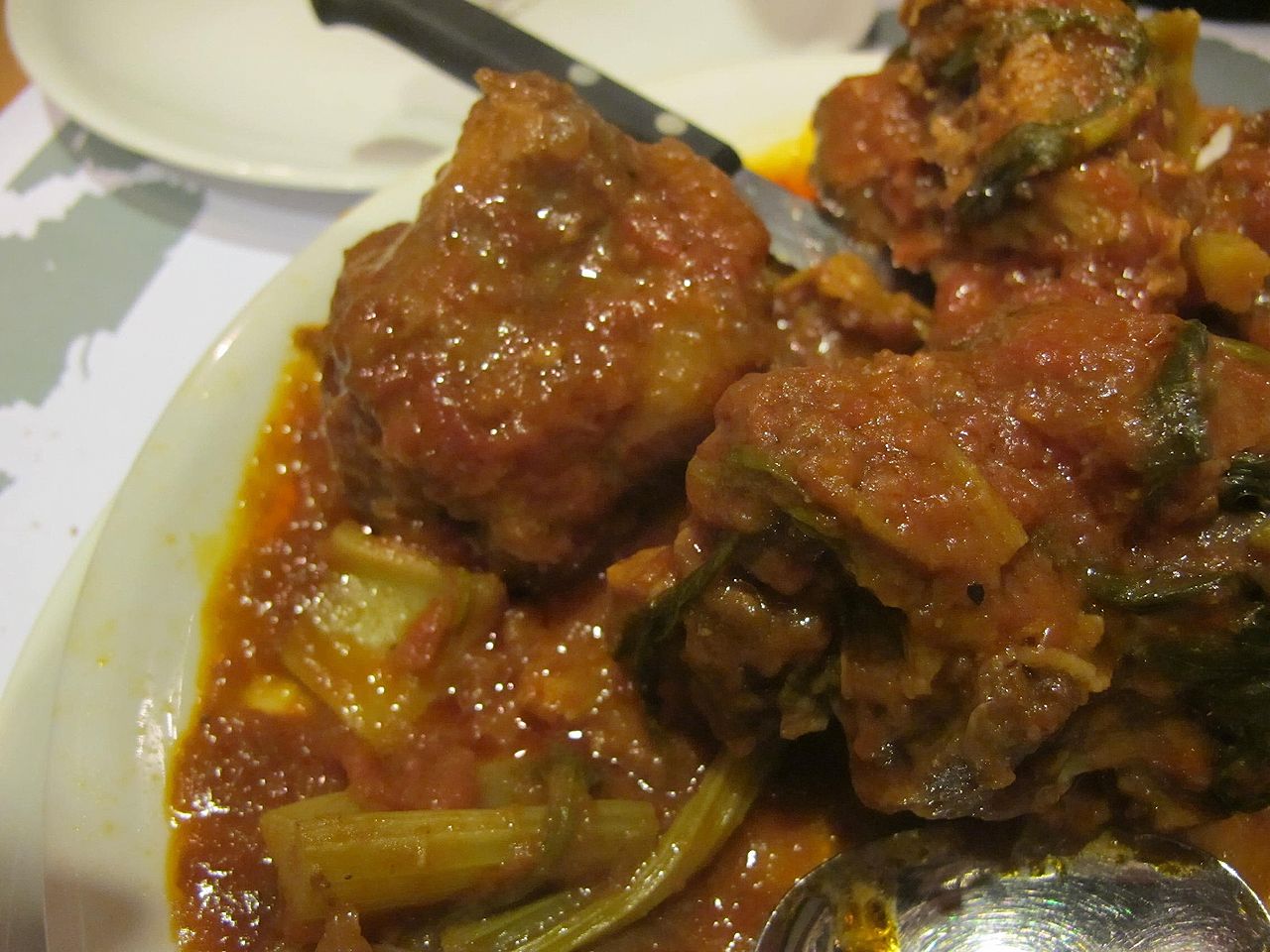
oxtail stew extends across the globe. In Italy, especially in Rome, the dish finds expression in *coda alla vaccinara*. This renowned specialty features oxtail braised meticulously in a robust tomato sauce with celery, often involving hours of slow cooking until the meat literally falls off the bone. It's a dish deeply ingrained in Roman culinary identity, historically prepared by the *vaccinari* (butchers) and their families who were given the less desirable cuts.
The British version, often presented as a hearty oxtail soup, incorporates stout or dark beer for an added layer of rich, malty depth, showcasing a different facet of European influence. Beyond these, variations exist in places like Korea (Kkori Gomtang), Spain (Rabo de Toro), and various parts of Africa, each adapting the core concept of slow-cooked oxtail to local palates and available spices. This global tapestry underscores oxtail stew's universal appeal as a deeply satisfying and nourishing dish.
Crafting the Perfect Oxtail Stew: Beyond the Basic Recipe
What truly elevates an
oxtail stew from good to extraordinary is a deep understanding of its core components and the magic of slow cooking. It’s not merely assembling ingredients; it’s a patient, methodical process that coaxes out unparalleled flavors and textures.
The Science of Tenderness and Flavor
The key to succulent oxtail lies in breaking down its abundant connective tissue and collagen. This requires long, gentle simmering over several hours. As the oxtail cooks, the tough collagen slowly transforms into gelatin, enriching the broth with an incredible body and silken mouthfeel. This process also renders the meat incredibly tender, allowing it to easily fall off the bone. This gelatinous quality is a hallmark of a well-made oxtail stew and a significant contributor to its comforting and satisfying nature.
Essential Steps for an Unforgettable Stew
*
Browning the Oxtail: Before any liquid is added, thoroughly browning the oxtail pieces in a hot pot is crucial. This step creates a deep, caramelized crust, building a foundation of rich flavor through the Maillard reaction. Don't skip this, as it adds incredible depth that simply boiling cannot achieve.
*
Aromatics and Vegetables: A classic oxtail stew relies on a robust mirepoix of carrots, celery, and onions, often augmented with garlic and fresh herbs like thyme and bay leaves. These vegetables melt into the sauce over hours, sweetening and deepening the overall flavor profile.
*
The Liquid Gold: The braising liquid is paramount. While water is a base, a combination of rich beef broth, red wine (a dry, full-bodied red works wonders), or even a dark stout contributes immeasurably to the stew's complexity. The acidity from wine also aids in breaking down the meat fibers, ensuring ultimate tenderness. Jamie Oliver’s "ridiculously good oxtail stew" often features dark porter or red wine, highlighting their transformative power.
*
The Pot Matters: Whether using a heavy-bottomed Dutch oven on the stovetop, a slow cooker, or an Instant Pot, the vessel plays a role. A good pot distributes heat evenly, preventing scorching and allowing for consistent simmering. For those seeking minimal fuss without sacrificing flavor, a
one-pot oxtail stew is a fantastic solution, allowing all the rich, slow-cooked flavors to develop with less effort.
*
Patience and Rest: Like many braised dishes,
oxtail stew often tastes even better the day after it's made. The flavors have time to meld and deepen, and the broth sets beautifully. A period of rest also allows the fats to separate, making skimming easier if desired.
Oxtail Stew Today: A Prized Delicacy
Today, the perception of oxtail has shifted dramatically. No longer considered merely a "peasant dish" or an inexpensive cut, oxtail has gained significant culinary prestige. Its unique flavor, rich texture, and the sheer comfort it provides have propelled it onto the menus of high-end restaurants and into the repertoire of gourmet home cooks worldwide. This rise in popularity has naturally led to an increase in its cost, making it less of a budget option and more of a cherished ingredient.
Despite its elevated status, the essence of
oxtail stew remains unchanged: it is the ultimate comfort food. Its hearty, healthy, and deeply satisfying nature makes it perfect for chilly evenings or lazy weekends. Whether served over creamy mashed potatoes, al dente pasta, fluffy rice, or rich polenta, oxtail stew offers a warm, nourishing embrace that transcends cultural boundaries. It represents a beautiful culinary paradox – a tough, overlooked cut that, through time and technique, transforms into one of the most tender, flavorful, and coveted dishes imaginable.
Conclusion
The journey of
oxtail stew from a humble, often discarded cut to a globally celebrated delicacy is a testament to the enduring power of resourceful cooking. From the medieval European kitchens to the vibrant tables of the Caribbean and the soulful legacy of African American cuisine, oxtail stew has adapted, evolved, and thrived. It embodies a rich history of resilience, cultural fusion, and the universal human desire for warmth and nourishment. As a dish that demands patience and rewards generously,
oxtail stew remains a beloved culinary icon, proving that true value and profound flavor can often be found in the most unexpected places.