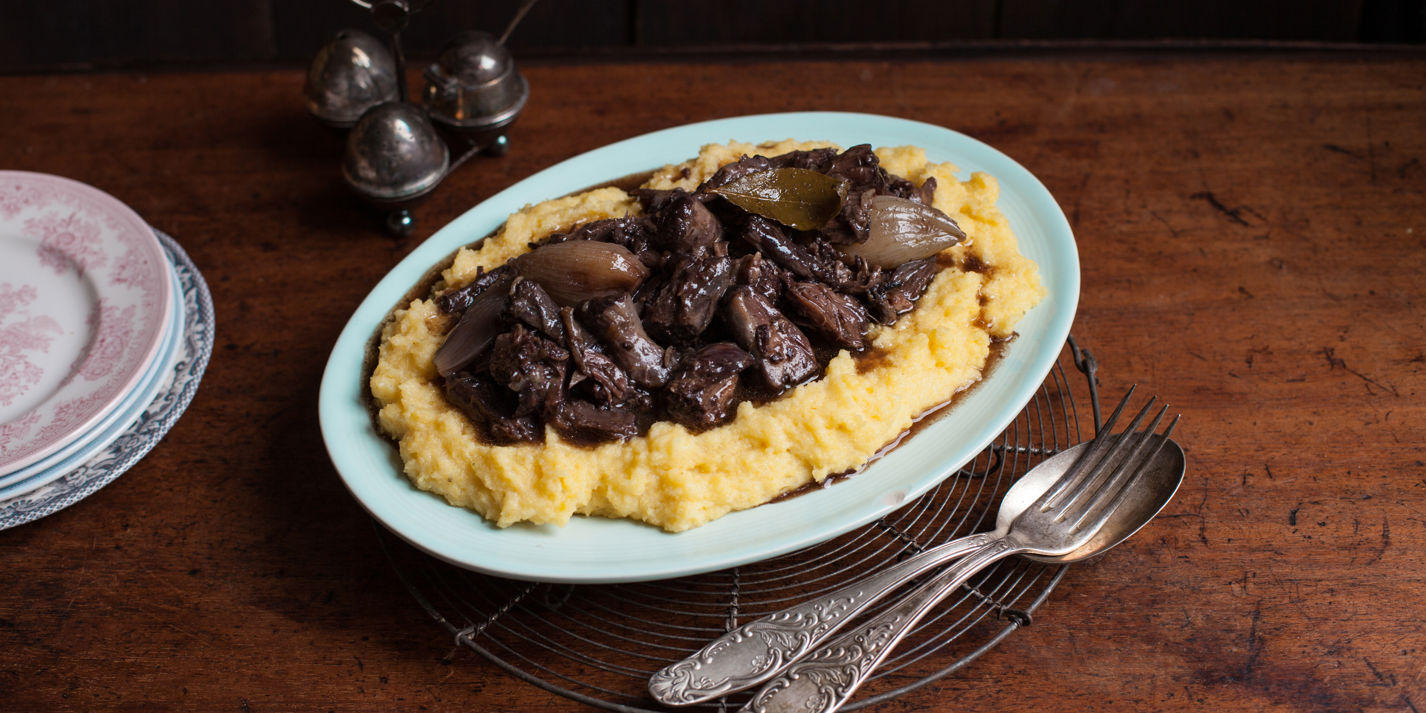
There are few dishes that evoke the profound sense of warmth, nostalgia, and pure culinary satisfaction quite like a perfectly executed slow-cooked oxtail stew. This isn't just a meal; it's an experience, a labor of love that rewards patience with an explosion of deep, savory flavors and a melt-in-your-mouth texture. The star of the show, beyond the incredibly tender oxtail itself, is arguably the rich, unctuous, and gloriously gelatinous gravy that coats every morsel. Achieving this sublime consistency and depth of flavor is the ultimate goal for any aspiring oxtail steward, transforming an often-undervalued cut of meat into a masterpiece of comfort food.
From its humble origins as a resourceful peasant dish to its current status as a celebrated delicacy across diverse global cuisines, the magic of oxtail stew lies in its transformation. What begins as a tough, bony section of cattle tail, rich in connective tissue, emerges from hours of gentle simmering as a succulent, fall-off-the-bone delight, swimming in a dark, aromatic sauce that clings to the palate with luxurious richness. Whether you're seeking to impress a discerning palate or simply create a nourishing meal for a chilly evening, mastering the secrets to that tender oxtail and its accompanying gelatinous gravy is key.
Why Oxtail is the Secret to Unrivaled Richness
The very nature of oxtail is what makes it uniquely suited for slow cooking and, crucially, for creating that coveted gelatinous gravy. Oxtail is essentially the caudal vertebrae of cattle, surrounded by muscle and an abundance of connective tissue, cartilage, and bone marrow. Unlike leaner cuts of beef, which dry out with extended cooking, oxtail thrives under low, slow heat. Here’s why:
- Collagen Content: This is the primary secret weapon. Oxtail is incredibly rich in collagen, a structural protein found in connective tissues. When subjected to prolonged heat and moisture, collagen breaks down and dissolves, transforming into gelatin. This natural gelatin is what gives the gravy its incredible body, viscosity, and mouthfeel – that delightful sticky, rich texture that differentiates a truly great oxtail stew from a merely good one.
- Bone Marrow: The bones within the oxtail also contribute significantly. As they simmer, the flavorful marrow leaches into the cooking liquid, enriching the broth with savory depth and a subtle sweetness that complements the robust beef flavor.
- Fat and Flavor: While not excessively fatty, oxtail has enough intramuscular fat to keep the meat moist and infuse the stew with even more flavor as it renders out during cooking. This fat, combined with the collagen and marrow, creates a symphony of richness that builds over hours.
Understanding these inherent qualities of oxtail is the first step in appreciating why patience is not just a virtue, but a necessity, when preparing this dish. It's the key to unlocking both the meat's tenderness and the gravy's signature texture.
Mastering the Art of Slow Cooking for Fall-Apart Tenderness
Achieving truly fall-off-the-bone oxtail requires dedication to the "low and slow" philosophy. The process begins long before the oxtail hits the pot. Here's a breakdown of the critical steps:
Preparation is Paramount
- Browning the Oxtail: Before any liquid is added, it's crucial to thoroughly sear the oxtail pieces in a hot pan. This step is not just for color; it develops a deep, caramelized crust, building a foundational layer of flavor through the Maillard reaction. Don't overcrowd the pan; work in batches to ensure proper browning.
- Deglazing the Pot: After browning the meat, remove it and add aromatic vegetables like chopped onions, carrots, and celery (often referred to as a mirepoix) to the pot. Sauté them until softened, then use a liquid like red wine or dark porter (as Jamie Oliver suggests) to deglaze the pan. This involves scraping up all the flavorful browned bits (fond) stuck to the bottom, incorporating them into your developing sauce. This fond is packed with savory goodness and is essential for a rich gravy.
The Long Simmer: Methods and Tips
The beauty of oxtail stew is its versatility in cooking methods, all leading to the same glorious result:
- Stovetop Braise: This traditional method involves simmering the oxtail, vegetables, and liquid (broth, wine, stout) in a heavy-bottomed pot (like a Dutch oven) on low heat for 3-4 hours, or even longer, until the meat yields easily. Ensure the liquid barely simmers, not boils, to prevent the meat from toughening.
- Slow Cooker: For ultimate convenience, a slow cooker is a fantastic option. After the initial browning and deglazing (which can be done in a separate pan), transfer everything to the slow cooker and cook on low for 6-8 hours, or until the oxtail is incredibly tender. This one-pot approach is perfect for a lazy weekend.
- Instant Pot/Pressure Cooker: If time is a constraint, a pressure cooker can drastically reduce cooking time without sacrificing tenderness. After browning and deglazing, pressure cook for 45-60 minutes, followed by a natural release. While faster, some argue the slower methods allow for a deeper melding of flavors.
Regardless of the method, the key is consistency: maintain a gentle, even heat that allows the collagen to slowly break down, transforming tough fibers into succulent meat. Don't rush it; the best oxtail stew is born from patience.
Crafting the Deep, Flavorful & Gelatinous Gravy
The gravy is not just an accompaniment; it's an integral part of the oxtail stew experience. Its richness and gelatinous texture are what elevate the dish from good to extraordinary.
Ingredients for Depth
- Aromatic Foundation: Beyond the mirepoix, garlic and fresh herbs like thyme, bay leaves, and rosemary are indispensable. They infuse the braising liquid with complex layers of flavor.
- Acidic Component: Red wine, stout, or even a splash of balsamic vinegar not only adds depth and color but also helps in the breakdown of the oxtail's connective tissues. The alcohol in wine or stout also evaporates, leaving behind concentrated flavors.
- Quality Broth: A rich beef broth or stock provides the liquid base, further enhancing the beefy flavor profile.
- Tomato Paste: A tablespoon or two of tomato paste adds umami and a subtle sweetness, balancing the richness.
Achieving the Gelatinous Texture
The magic happens naturally, thanks to the oxtail itself, but you can enhance it:
- Allow Collagen to Work: The most important factor is simply giving the oxtail enough time to release its collagen. This is why slow cooking is non-negotiable.
- Reduce and Concentrate: Once the oxtail is tender, you might find the gravy a bit thin. Carefully remove the oxtail pieces (they'll be delicate!) and any large bones or tough herb stems. Then, reduce the remaining liquid on the stovetop over medium-high heat until it thickens to your desired consistency. This process concentrates the flavors and enhances the natural gelatin.
- Skim Fat (Optional but Recommended): After cooking, especially if you allow the stew to cool, a layer of fat will rise to the surface. Skim this off for a cleaner, richer-tasting gravy. You can also refrigerate the stew overnight; the fat will solidify, making it easier to remove, and the flavors will deepen even further.
- Melted Vegetables: As The Big Man's World recipe highlights, carrots, celery, and herbs literally "melt into the sauce," contributing their sweetness and earthiness, and subtly thickening the gravy. For an even smoother gravy, some chefs remove the oxtail and then pass the remaining liquid and vegetables through a sieve or blend them until smooth before reducing.
The resulting gravy should be glossy, deep brown, and have a beautiful viscosity that coats the back of a spoon – a testament to the collagen's transformation into gelatin.
A Global Legacy: Oxtail Stew's Enduring Appeal
The story of oxtail stew is a fascinating journey through culinary history, reflecting resourcefulness and the ability to transform humble ingredients into something extraordinary. Historically, oxtail was an inexpensive cut, often given to laborers and enslaved people, leading to its widespread adoption in various peasant cuisines. This tradition of 'nose-to-tail' eating, valuing every part of the animal, is evident in its global presence.
From the hearty, brown-gravy laden versions found in African American soul food, often served over rice and tracing its roots to the era of slavery, to the vibrant, spicy stews of the Caribbean (like Jamaica's famed version with allspice, Scotch bonnet peppers, and butter beans), oxtail has adapted to local palates and available ingredients. Italy boasts its own classic, coda alla vaccinara, a Roman specialty braised in a rich tomato sauce with celery, while British variations often incorporate stout for added depth.
Each regional interpretation showcases the cut's remarkable versatility and its universal appeal as a comforting, nourishing meal. The transformation of a tough, overlooked cut into a tender, flavorful, and gelatin-rich dish is a testament to culinary ingenuity across cultures. To delve deeper into its captivating journey, explore The Global History of Oxtail Stew: From Peasant Dish to Delicacy.
Serving Suggestions and Enjoyment
A glorious slow-cooked oxtail stew deserves to be served with accompaniments that can soak up its magnificent gravy. Creamy mashed potatoes, fluffy white rice, polenta, or even crusty bread are all excellent choices. A simple green salad or some steamed greens can provide a refreshing counterpoint to the richness. This is truly the ultimate comfort food, perfect for a cozy, nourishing meal that satisfies both body and soul.
Embrace the process, savor the aromas, and relish the anticipation. When you finally dip your spoon into that tender oxtail, enveloped in its velvety, gelatinous gravy, you'll understand why this dish has been cherished across generations and cultures. It's more than just food; it's a culinary hug, a dish that truly embodies the magic of transforming simple ingredients into something truly spectacular.
